Decoding how self-exclusion protocols intersect with sign-up incentives across varied bingo and casino game types
Written by Alex Long · Sep 4, 2026
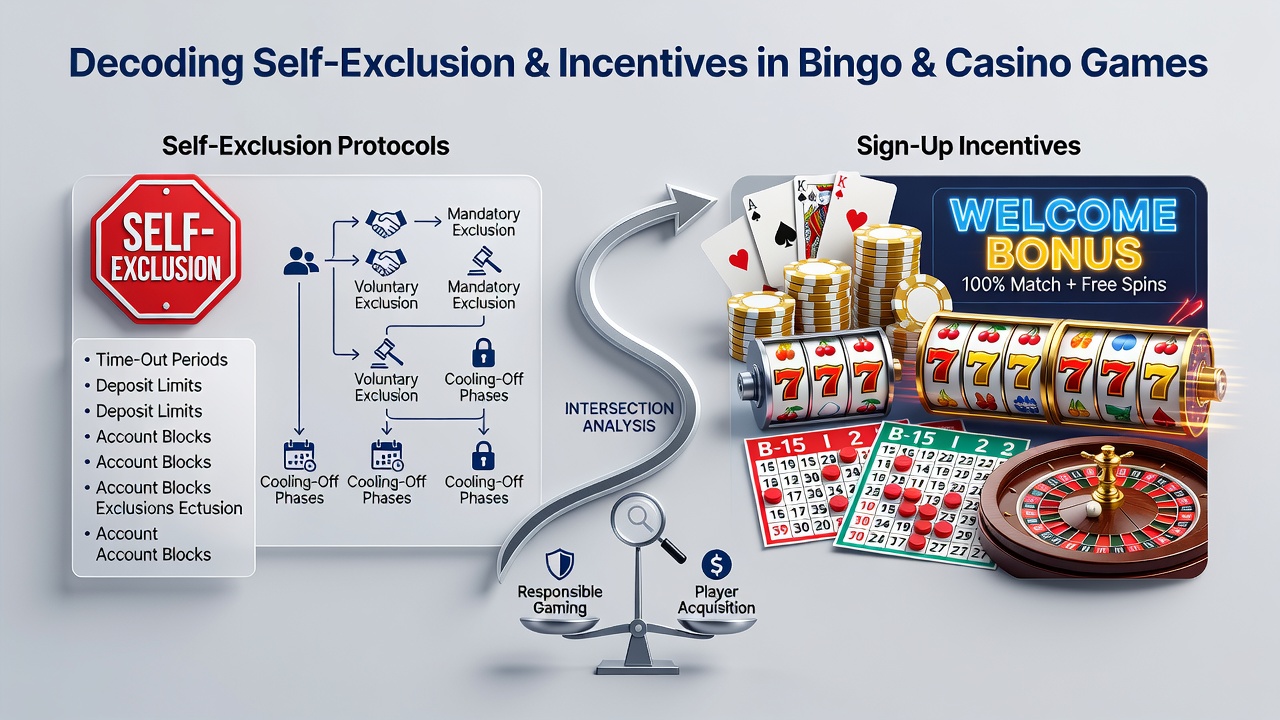
Decoding how self-exclusion protocols intersect with sign-up incentives across varied bingo and casino game types
Self-exclusion protocols operate as formal mechanisms that allow individuals to request removal from gambling platforms for set periods, while sign-up incentives function as promotional tools that grant new users access to bonuses, free spins, or deposit matches across bingo and casino offerings. These two systems intersect at the point of account verification, where operators must cross-reference exclusion lists before activating any rewards. Data from regulatory frameworks in multiple jurisdictions shows that failure to align these processes can result in unauthorized access to incentives, particularly in environments where bingo sessions run alongside slot or table game options.
Core Mechanics of Protocol Integration
Operators integrate self-exclusion databases directly into sign-up workflows so that any attempt to claim a welcome bonus triggers an automatic check against active exclusion records. In bingo-focused platforms, this verification occurs before a player joins a room or receives free cards, whereas casino environments apply similar scans prior to unlocking slot bonuses or table game credits. Research indicates that real-time API connections between exclusion registers and bonus engines reduce the window for mismatched activations, although processing times vary by game category because bingo rounds unfold in scheduled intervals while casino spins happen continuously.
Those who have examined system architectures note that bingo operators often batch exclusion checks at the start of each session cycle, which creates a distinct workflow compared with instant casino verifications. This difference matters when sign-up incentives include time-limited offers, since a delayed check in bingo settings can prevent bonus release until the next scheduled game begins.
Variations Across Game Categories
Slot machines and video poker titles typically tie sign-up incentives to first deposits or initial spins, requiring exclusion status confirmation within seconds of account creation. Roulette and blackjack platforms add an extra layer because table game bonuses sometimes involve wagering requirements that extend over multiple rounds, meaning exclusion flags must remain active throughout the entire promotional period. Bingo variants, including 75-ball and 90-ball formats, link incentives to ticket purchases or room entries, so self-exclusion protocols must block both the bonus and any associated gameplay in one step.
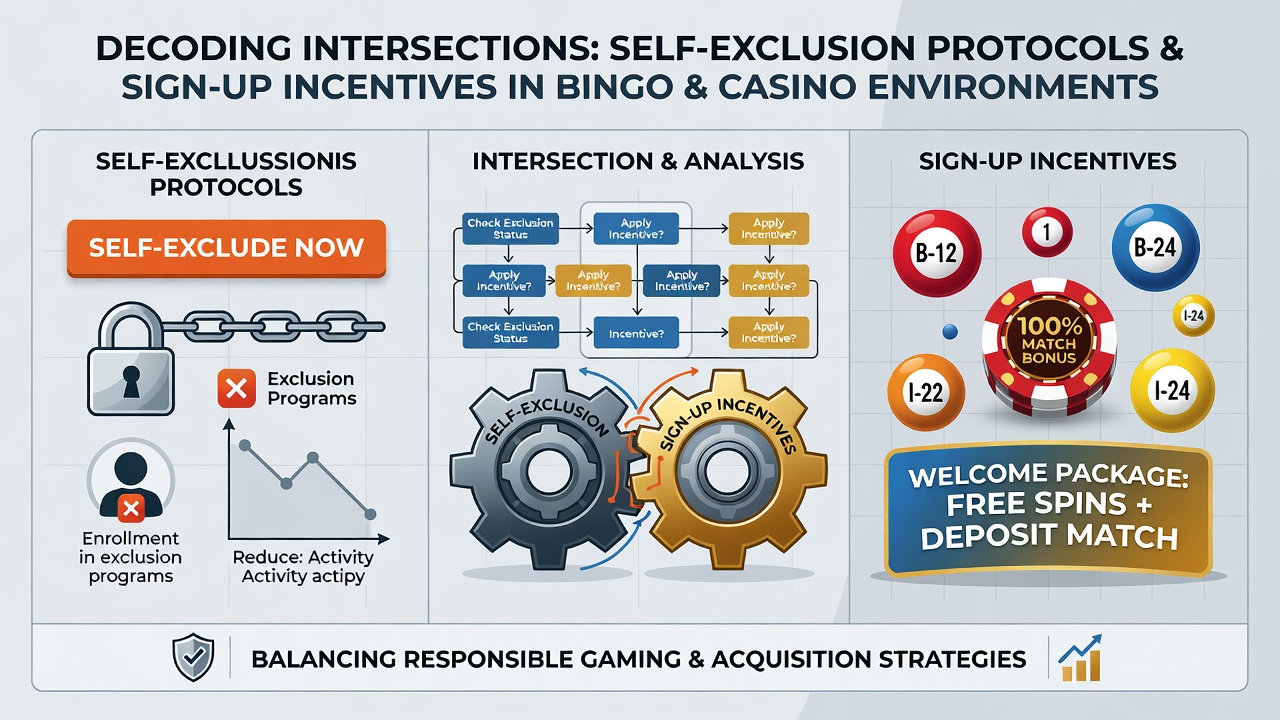
Studies compiled by the National Council on Problem Gambling reveal that hybrid sites offering both bingo and casino sections maintain separate but synchronized exclusion lists to handle the differing pacing of each product. One documented case showed a platform where a player self-excluded from slots yet retained bingo access, which led to partial incentive activation until the databases were fully merged.
Regulatory Timelines and Technical Updates
Jurisdictions continue to refine how exclusion data feeds into promotional systems, with several regions scheduling comprehensive reviews for September 2026 to assess whether current protocols adequately cover multi-game environments. These reviews focus on data-sharing standards between bingo operators and casino divisions, particularly when sign-up offers span categories. Figures released by industry monitoring groups show that platforms adopting unified verification layers report fewer incidents of incentive misuse compared with those maintaining separate lists for each game type.
Academic analyses from institutions such as the Australian Gambling Research Centre have tracked how exclusion flags interact with deposit-match promotions, finding that bingo incentives tied to community play require exclusion checks at both registration and session start, whereas casino free-spin offers trigger checks primarily at the point of bonus code entry.
Conclusion
The intersection of self-exclusion protocols and sign-up incentives ultimately rests on precise database synchronization that accounts for the unique timing and structure of bingo versus casino gameplay. Operators who align these systems across game types maintain compliance while limiting unauthorized reward access, and ongoing technical adjustments through 2026 aim to strengthen that alignment in response to evolving platform designs.